
Maintaining Cleanliness in High-Traffic Areas: Expert Advice


Understanding the Challenge of High-Traffic Areas
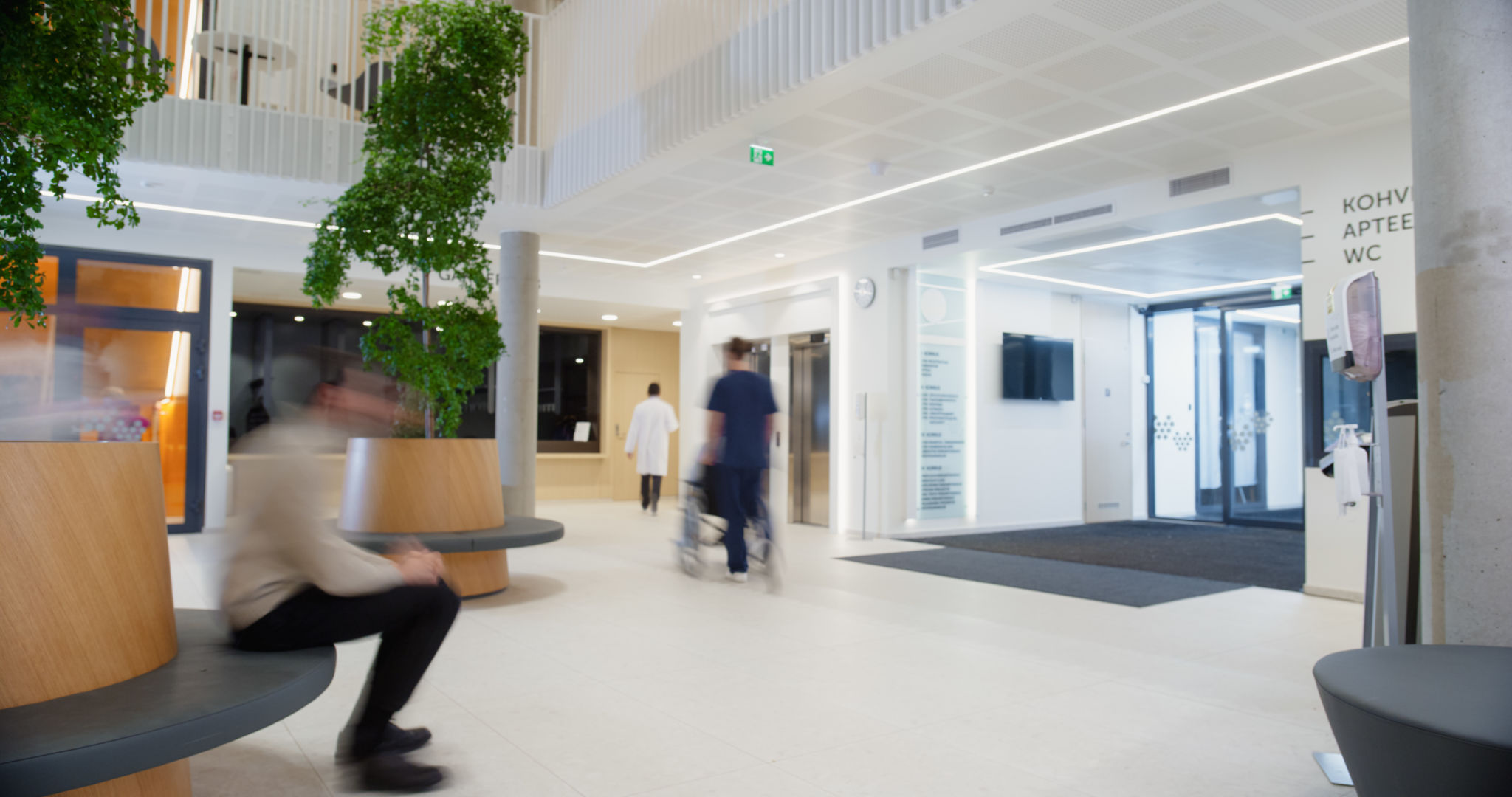
Maintaining cleanliness in high-traffic areas can be a daunting task. These spaces, whether they are office lobbies, shopping malls, or public transport stations, experience constant footfall, making it challenging to keep them spotless. The key is to implement a strategic cleaning plan that addresses the unique demands of these environments.
It's essential to recognize that high-traffic areas require more frequent cleaning than other spaces. Dirt and debris can accumulate quickly, and surfaces can become breeding grounds for germs and bacteria. Therefore, a proactive approach is vital to maintain a clean and healthy environment.
Developing a Cleaning Schedule
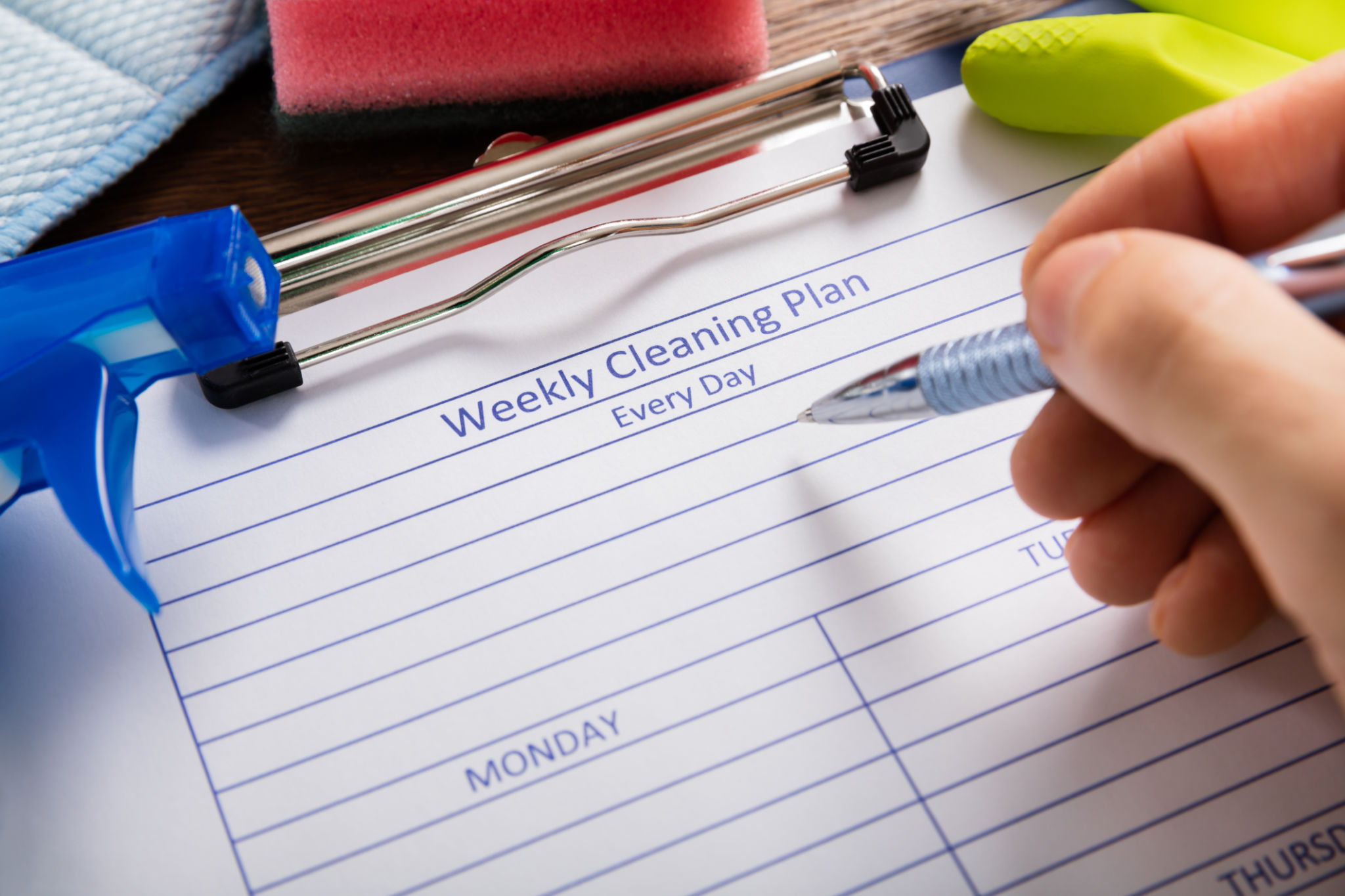
One of the most effective strategies for maintaining cleanliness in high-traffic areas is to develop a comprehensive cleaning schedule. This schedule should outline specific tasks, their frequency, and the personnel responsible for each task. By having a well-organized plan, you can ensure that no area is neglected.
Consider implementing a mix of daily, weekly, and monthly cleaning tasks. Daily tasks might include sweeping, mopping, and disinfecting surfaces, while weekly tasks could involve deeper cleaning of carpets and upholstery. Monthly tasks might include maintenance of outdoor areas or ventilation systems.
Using the Right Tools and Products
Having the right cleaning tools and products is crucial for efficiency. Invest in high-quality equipment like industrial vacuum cleaners, floor scrubbers, and microfiber cloths. These tools are designed to handle the rigorous demands of high-traffic areas and can significantly reduce cleaning time.
When selecting cleaning products, opt for those that are environmentally friendly and effective against a broad spectrum of pathogens. Using the right products not only ensures a thorough clean but also promotes a healthier environment for everyone.
Training and Motivating Cleaning Staff
The effectiveness of any cleaning plan largely depends on the people executing it. Proper training is essential to equip cleaning staff with the knowledge and skills they need to perform their tasks efficiently. Regular training sessions can update staff on the latest cleaning techniques and safety protocols.
Motivating the cleaning team is equally important. Recognizing their hard work and providing incentives can boost morale and encourage them to maintain high standards of cleanliness. A motivated team is more likely to take pride in their work and deliver excellent results.
Leveraging Technology for Better Results
Technology can play a significant role in maintaining cleanliness in high-traffic areas. Automated cleaning machines, such as robotic vacuums and scrubbers, can handle repetitive tasks and free up staff for more detailed cleaning jobs. Additionally, using digital tools to track cleaning schedules and inventory can streamline operations.
Consider implementing a feedback system where visitors can report cleanliness issues via a mobile app or website. This real-time data can help prioritize cleaning tasks and address problem areas promptly.

Regular Inspections and Adjustments
Regular inspections are vital to ensure that cleaning standards are being met. Conduct routine checks to assess the cleanliness of high-traffic areas and identify any areas for improvement. These inspections can provide valuable insights into the effectiveness of your cleaning strategy.
Be prepared to adjust your cleaning plan based on the findings from these inspections. Flexibility is crucial to responding to changes in foot traffic patterns or unexpected events that may affect cleanliness levels.